- Dress warmly. If it’s cold outside, keep yourself warm with gloves over hands that ache and added layers over knees and legs. “I’m one of those people who loves to wear dresses and skirts,” says Snow, “so when it’s cold I also wear tights or leggings to stay warm.”
- Exercise inside. A study published in the Journal of Physical Activity and Health that measured physical activity in 241 adults with arthritis living in Chicago (a city known for its bitterly cold winters) found that the amount of sedentary time increased by over three hours between November and June. But while it's understandable to want to avoid winter chill, people with joint pain should still stay active — and the best way is with an indoor exercise plan. Snow has a treadmill and an elliptical trainer at home. Libman recommends walking the mall.
- Enjoy warm water. Swimming in a heated pool is both great exercise and soothing to joints. You can also get relief from warm baths. Just don’t go right out into the cold after your soak. Let your body temperature normalize a bit first.
- Supplement vitamin D. Being deficient in vitamin D might make osteoarthritis worse, warns Libman. You are less likely to get enough vitamin D in the winter, so this is a good time to take a supplement or make sure your diet is vitamin D-rich.
How to Be Supplement Savvy
- Stay safe. Particularly when the weather turns icy, people with arthritis need to protect their joints from further damage. If you’re going outside, pick solid, supportive shoes with good treads and try to walk on a surface that doesn’t look icy, advises Libman.
- Try a glucosamine-chondroitin supplement. Although there are no herbal supplements that have been proven to provide arthritis pain relief in clinical studies, Libman says some of her patients do report relief from these supplements. “What I tell my patients is, if you can afford to pay for it and you want to give it a try, it seems to be a low-risk thing for pain,” she says.
- Add fish oil. “Omega-3 fatty acids do have some benefit because they seem to reduce the level of inflammation,” says Libman. You need about 2,000 to 3,000 milligrams a day to get benefits. Make sure to let your doctor know if you try omega-3s, as they can increase the risk of bruising or bleeding.
- Take NSAIDs. Even if, like Snow, you prefer to treat your joint pain with lifestyle changes rather than medication, it’s okay to take an over-the-counter pain reliever when your joint pain is worse due to the weather.
- Get a massage. Yes, you have permission to indulge yourself. “A lot of what’s happening in terms of pain is, some is emanating from the joint and some from the muscles around the joint,” explains Libman. Massage can help ease those cramped muscles.
- Go under the needle. Acupuncture is another option for those willing to consider non-traditional treatments. “It does seem patients derive some benefit with regard to pain,” says Libman. You may need several sessions to get the joint pain relief you seek.
Entrepreneur, Professional Speaker, Chiropractor and Clinical Nutritionist Dr. Peloquin's office Hands of Gold Chiropractic has been helping suffering people in Bay Ridge Brooklyn since 2004.
Showing posts with label Bay ridge chiropractor. Show all posts
Tuesday, January 6, 2015
Winter and Pain
Though there’s not much scientific data to support the joint pain and weather connection, you can still use these arthritis pain relief tips when your aching joints act up in winter:
Thursday, May 8, 2014
REPAIRING AN INURED ROTATOR CUFF
As we get older, rotator cuff injuries become more common, a result of the natural aging process. A similar mechanism operates in the discs separating the vertebras in your lower back. These cartilaginous structures lose water over time, becoming less flexible and more brittle as the decades roll by. In the case of the shoulder, the rotator cuff tendon is pulleyed to and fro as the arm swings forward and back and up and down. As the years pass, this constant motion may cause fraying in the rotator cuff tendon and inflammation in the muscles that comprise the rotator cuff. Eventually, partial or full thickness tears may develop in one or more of these musculotendinous units, causing pain and some loss of function. Importantly, conservative care may be all that’s needed to reduce pain and restore needed motion.
The shoulder joint is beautifully designed and a marvel of engineering. Its construction makes possible a full 360-degree arc of motion in both the sagittal and frontal planes. In other words, you can swing your arm in a complete circle from front-to-back and to-the-side-and-up-and-around. In the third, horizontal, plane, 180 degrees of motion is available. The overall combination of movements in three-dimensional space makes the shoulder joint the most freely movable joint in your body. However, as with all freedoms we enjoy in this life, there is a price. The shoulder joint’s great mobility is countered by its very limited stability.
The shoulder’s lack of stability needn’t concern us in our average day-to-day tasks. Protection to the joint is built-in by way of the rotator cuff muscles, which form a strong hood that envelops the intersection of the arm bone and shoulder blade. Falling on an outstretched arm may result in a dislocated shoulder, so we need to have some care in this regard.
If you’re a young athlete and have suffered a rotator cuff tear, surgery may be an appropriate option. But for the vast majority of people, especially for those over age 40, most rotator cuff injuries are chronic rather than acute and can be treated with rest and rehabilitative exercise. Again, if you’re a 60-year-old skier who has torn his or her rotator cuff in a downhill accident, surgery could be indicated. For the rest of us, rehabilitative exercise is the key.
Four or five primary strength training exercises are involved in shoulder or rotator cuff rehabilitation. The three basic shoulder exercises are (1) seated overhead press, which trains all the shoulder girdle muscles simultaneously; (2) standing side [lateral] raise; and (3) seated or standing bent-over raise. The lateral raise specifically trains the middle deltoid muscle and the bent-over raise specifically trains the posterior deltoid muscle. Specific rotator cuff strength training exercises include internal rotation and external rotation on a flat bench using very light dumbbells. More painful injuries with greater loss of mobility may require (1) Codman pendulum exercises and (2) finger-walking (up a wall) to the front and to the side.
The goals of rotator cuff rehabilitation, as for any mechanical injury, include decreased inflammation, decreased pain, return to more full active range of motion, return to more full muscular strength, and restoration of function.
Wednesday, October 9, 2013
The Flu Shot, What They Arent Telling You
As the Byrds sang to us in the 60’s, “to everything there is a season.” Well, apparently it is the flu season once again. The signs urging everyone to get their flu shot are popping up like dandelions in the Spring and all the drug and grocery stores offer them now. It’s becoming so prevalent that I’m surprised that gas stations aren’t offering free flu shots with a fill-up, as 173 million doses of the shot will be given this year.
What they are not telling you is that the flu shot is not a safe medical procedure, nor is it an effective one. The following are the top 7 reasons not to get a flu shot:
1) There is a total lack of evidence that young children benefit from the shots. A systematic review of 51 studies involving 260,000 children ages 6 to 23 months found no evidence that the flu vaccine is any more effective than a placebo.
2) Medical journals have published thousands of articles revealing that injecting vaccines can lead to serious health problems including harmful immunological responses and a host of other infections. This further increases the body’s susceptibility to the diseases that the vaccine was supposed to protect against.
3) Ever notice how people who get the flu shot develop runny noses, flu symptoms, bronchitis, or even pneumonia within days or weeks of receiving the drug? This is because they are being injected with several strains of a flu virus, as well as toxic chemicals, which overwhelm the body’s immune system, thus suppressing it, and making them more susceptible to the illness the vaccine is supposed to protect against.
4) The flu vaccine, as well as just about all the childhood vaccines, contains mercury – a heavy metal known to be hazardous to human health. The amount of mercury contained in a multi-dose flu shot is much higher than the maximum allowable daily exposure limit. Mercury toxicity can cause memory loss, depression, ADD, digestive imbalances, respiratory problems, cardiovascular diseases, Alzheimer’s, and other serious health ailments.
5) Besides mercury, there are other ingredients present that can cause serious neurological disorders. These include detergents, antibiotics, formaldehyde, MSG (a flavor enhancer), gelatin, chicken embryos, polyethylene glycol, and sodium phosphate. These ingredients can cause anything from allergic reactions to cancer.
6) Research shows that over-use of the flu vaccine and drugs like Tamiflu and Relanza can actually alter flu viruses and cause them to mutate into a more deadly strain.
7) The flu viruses mutate every year so trying to guess what strain will be spreading has proven to be a crap shoot and not very effective. Moreover getting multi-shots is dangerous since different strains of viruses and harmful ingredients are introduced into your body.
Flu shots are indeed more dangerous than we are led to believe, and it’s best to rely on natural ways to protect yourself against the flu. Here are some easy steps to remain healthy:
What they are not telling you is that the flu shot is not a safe medical procedure, nor is it an effective one. The following are the top 7 reasons not to get a flu shot:
1) There is a total lack of evidence that young children benefit from the shots. A systematic review of 51 studies involving 260,000 children ages 6 to 23 months found no evidence that the flu vaccine is any more effective than a placebo.
2) Medical journals have published thousands of articles revealing that injecting vaccines can lead to serious health problems including harmful immunological responses and a host of other infections. This further increases the body’s susceptibility to the diseases that the vaccine was supposed to protect against.
3) Ever notice how people who get the flu shot develop runny noses, flu symptoms, bronchitis, or even pneumonia within days or weeks of receiving the drug? This is because they are being injected with several strains of a flu virus, as well as toxic chemicals, which overwhelm the body’s immune system, thus suppressing it, and making them more susceptible to the illness the vaccine is supposed to protect against.
4) The flu vaccine, as well as just about all the childhood vaccines, contains mercury – a heavy metal known to be hazardous to human health. The amount of mercury contained in a multi-dose flu shot is much higher than the maximum allowable daily exposure limit. Mercury toxicity can cause memory loss, depression, ADD, digestive imbalances, respiratory problems, cardiovascular diseases, Alzheimer’s, and other serious health ailments.
5) Besides mercury, there are other ingredients present that can cause serious neurological disorders. These include detergents, antibiotics, formaldehyde, MSG (a flavor enhancer), gelatin, chicken embryos, polyethylene glycol, and sodium phosphate. These ingredients can cause anything from allergic reactions to cancer.
6) Research shows that over-use of the flu vaccine and drugs like Tamiflu and Relanza can actually alter flu viruses and cause them to mutate into a more deadly strain.
7) The flu viruses mutate every year so trying to guess what strain will be spreading has proven to be a crap shoot and not very effective. Moreover getting multi-shots is dangerous since different strains of viruses and harmful ingredients are introduced into your body.
Flu shots are indeed more dangerous than we are led to believe, and it’s best to rely on natural ways to protect yourself against the flu. Here are some easy steps to remain healthy:
- Make sure you are getting enough Vitamin D every day – 4000 to 10,000 IU’s daily is ideal.
- Get plenty of exercise – A half-hour to 40 minutes a day keeps your blood flowing, helps to detox your system, and keeps your internal environment alkaline.
- Get plenty of sleep – 8 hours is the best amount of time.
- Eat healthy, organic foods – not fast foods, prepared foods, GMO’s or any foods that are laden with toxins that weaken you.
- Wash your hands with soap and water! Avoid the waterless hand sanitizers since they also weaken the immune system.
- Stay hydrated with clean, fresh, filtered water.
- Golden seal and Echinacea supplements work to boost your immune system.
Wednesday, June 19, 2013
10 Minutes Of Stretching Can Make All The Difference
Should I stretch before or after I exercise? Should I even bother to stretch at all? These are the questions that every busy adult asks whenever he or she is planning to begin an exercise program. The correct answer to the first question is "do whatever is right for you." Some people need to lengthen their major muscle groups, such as the quadriceps (front of the thigh), hamstrings (back of the thigh), and calves, before they run, walk, swim, and/or lift weights for exercise. For others, it's best to stretch at the end of a workout, re-lengthening the major muscle groups so they'll be ready to help you move through the rest of your day.
The answer to the second question is "yes, stretching is important for everybody and is often the missing link in trying to understand why you injured yourself when you were exercising." Stretching helps you either warm up or cool down, whichever is needed for you to get the most out of your exercise. Not stretching in the way that you need puts you on the fast track to sustaining an exercise-related injury. As always, prevention is the best policy.
A dynamic warm-up is a fun and entertaining supplement or replacement, at times, to stretching if you're a stretch-first person. In a dynamic warm-up, you take important joints such as your hips, shoulders, and lower back through complete ranges of motion, using large muscle groups for support. Dynamic warm-up activities are similar to core strengthening exercises and have unique names such as scorpion, hip crossover, drop lunge, and quad circles. You can mix-and-match a variety of dynamic warm-up activities on different workout days, creating ongoing interest that helps you maintain your exercise routine.
A dynamic cool-down can serve as a similar supplement or replacement to stretching, at times, if you're a stretch-after person. If you've been walking or running, rather than simply completing your walk or run, spend an additional few minutes walking or running with shorter strides and/or at a slower pace. Walking backward at a slow pace is another method for achieving a dynamic cool-down. If you've been lifting weights, a series of deep-knee lunges will stretch your lower back and hips. A yoga-style downward dog will lengthen your spine, hamstrings, and calf muscles. Moving your arms through big circles, both clockwise and counterclockwise, will open up your shoulder girdles and lengthen the muscles of your rotator cuffs.
Regardless of the method you choose, stretching is an important part of your regular exercise activities. The extra few minutes spent either warming up or cooling down will help you maintain your exercise program achieve long-term health and well-being.
For more information on Dr. Peloquin and how his team at Hands of Gold Chiropractic can help you, please research his abilities by clicking the link to his website at Bay Ridge Chiropractor or liking his facebook page @ HANDS-OF-GOLD-CHIROPRACTIC ON FACEBOOK
Thursday, January 3, 2013
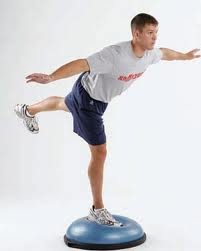
Proprioception - Making Your Body Smarter
Chiropractic Care Helps Your Body Be Smarter
Your body's awareness of where it is in three dimensions is critical to your ability to function effectively in the world. This awareness depends on proprioceptors. These specialized nerve endings are part of your nervous system - your body's master system.
Nerve signals are transmitted from proprioceptors in joints and muscles, along nerve pathways, to spinal nerves. Spinal nerves connect to the spinal cord, and from there signals are transmitted to the brain. But spinal nerves are a potential bottleneck to the free flow of information. These nerves may become irritated or inflamed, blocking accurate information from reaching the brain and accurate instructions from reaching the rest of the body.
Chiropractic care helps keep your body free of nerve interference. By correcting spinal misalignments, chiropractic care helps remove nerve interference and ensures a free flow of information from the brain, to the spinal cord, to all the body's cells, and back again. Optimal health and well-being are the result.
We usually don't think of our bodies in terms of their being "smart." For example, we walk to the corner store without giving a single thought to the complex mechanics involved in getting there and back. But behind the scenes there's plenty going on and your body's "IQ" has a lot to do with your success in accomplishing everyday tasks.
Proprioception is one of those background physical processes that make up your body's total IQ. Proprioceptors are specialized nerve endings located in your muscles and joints that inform your brain about your body's position in three-dimensional space. You're able to write legibly because proprioceptors are sending instantaneous data about the angles of the small joints of your fingers and wrists as your pen moves across the page. You're able to run on the beach because proprioceptors are continuously sending signals to your brain about the changing shape of the uneven surface of the sand.
Without these specialized nerve endings, we'd never be able to hit a baseball, throw a Frisbee, or drive a car. But proprioceptors can be smart or less than that. It all depends on how well-trained they are. One person out for a stroll might trip over a crack in the pavement and suffer a badly sprained ankle. Another person might trip over the same crack, even badly turning over their ankle in the process, and keep on walking without even a trace of a limp.
The difference between injury and non-injury is the level of proprioceptor training, and this level usually is related to whether you're doing regular exercise. Exercise trains your muscles and joints to adapt to varying kinds of stresses (weight-bearing loads) throughout a variety of positions (the full range of motion of those joints). As a result, trained proprioceptors can withstand a high degree of stress (such as a sudden twisting of an ankle). The untrained ankle, possibly the ankle of a person who hasn't done much walking, running, or bike riding in the last 5 years, will be damaged by an unusual and unexpected stress. The result is an ankle sprain of varying severity and possibly a broken ankle.
Similarly, it is well known that older adults experience more frequent falls than do younger adults. Part of the explanation involves proprioception. Many older adults don't engage in regular exercise. Proprioceptive function decreases, changes in level or surface aren't recognized quickly by the person's feet and ankles, and the person falls.
It's easy to see that the effort to maintain your body's IQ is time very well spent. The fastest way to boost this skill set is by doing regular exercise. All kinds of exercise provide benefit, so the best exercises are the ones that have some interest for you personally. Optimally, a person is doing both strength training and cardiovascular exercise. As always, the key to long-term health and wellness is consistency.
Fore more information on Hands of Gold Chiropractic and their office please log onto Hands of Gold Chiropractic or visit them on Facebook
Tuesday, December 4, 2012
The Survival Guide for Holiday Stress
Whichever holiday that’s presently looming, you know they’re not always the relaxing times you’d like them to be. This is especially the case at Christmas. Shopping and visiting and hosting and eating and drinking … it all becomes a mad blur that can leave you needing, well, a holiday.
Humans are pretty resilient creatures, but we can start to lag when we ask too much from our bodies for too long. The combination of the wrong food, too much booze, late nights, rushing around, and, let’s say it, family stresses, can all amount to overload, and we start suffering.
Moving into the holiday season, we should always try to keep our excesses to a minimum. Try to achieve a balance and remember to eat healthily as much as possible, despite the rather than less healthy meals that you may be obliged to eat to keep the peace with the relatives. Make sure you drink plenty of water to flush out your system, stretch out your muscles to ease the tension, and don’t forget that exercise during the holidays is not actually banned by law.
Here are some tips to keep you in tip-top condition if you’re going for …
Olympic Gold in Shopping
Keep well-hydrated. Drink eight to ten 8-ounce glasses of water every day, and don’t substitute any of that with coffee, tea, soft drinks and alcohol, because those are diuretics and will end up robbing you of water.
Stretch both before and after a marathon shopping expedition. Shopping can be stressful and your muscles need all the help they can get to stay relaxed.
Choose your shopping shoes for their comfort not style. You need plenty of cushioning to counteract those endless hours on your feet.
Wear comfortable clothing as well, and, if it’s cold out, have a few layers so you can peel them off and pile them on as you move from the streets to the warm shop interiors and back out again.
Wear a fanny pack (aka bumbag) rather than carrying a shoulder bag, and try to keep its contents to the bare minimum.
Any slight aches and pains you feel after a day out shopping, grab an ice pack and apply to the affected area for 20 minutes, before removing for at least two hours. Repeat several times over a day or two until you feel better.
A Little R&R
When having a serious shopping day, take a break every 45 minutes, or more often if you feel the need.
In a mall or a shopping area where lockers are provided, use one to store your shopping bags as you acquire them. Or if you can park close by, drop the bags in the trunk (boot) every so often.
If you’re hungry, eat something light or you’ll feel very sluggish when you resume shopping. It can also be dangerous to burden your system then continue with what can amount to physical exercise.
Coffee may seem like a good idea as a quick boost, but it adds extra stress to the system. As for soda, that’s also not a good idea. Ever. Stick with water.
Shopping With Children
Children and extended shopping trips don’t go together. Not only will they tire before you do and want to go home, they will want to buy everything in every shop. That’s a double whammy of whining that’s going to stress you out. Try and get someone to look after them instead.
That’s a Wrap
When you have a mound of gifts to wrap, make sure you don’t sit or stand in one position for too long, or you’ll start to ache. Vary your position, but avoid wrapping while sitting on the floor, even when carpeted, as this is very bad for your posture.
It may sound a little OTT, but stretch before and after wrapping your gifts.
Chiropractic Care Can Help
Dr. Jason Peloquin can help with natural treatment options if you experience any pain or discomfort after shopping.
For more information please contact Dr. Peloquin's office at 718-833-9255 or log onto his website for more information www.HandsofGoldChiropractic.com
Thursday, November 8, 2012
Is my Pain Serious?
In the field of medicine, the term pain management is code for drugs and intraspinal steroid injections. Pain management drugs are almost always opioids such as Vicodin, OxyContin, and morphine. Intraspinal steroid injections are at best a temporary fix, are often based on best guesses, and can have devastating side effects if done incorrectly.
On the other hand, chiropractic pain management always uses conservative methods of care. Chiropractic care does not introduce foreign substances or instruments into the body. The power of chiropractic care lies in its ability to facilitate the body's own healing mechanisms. In essence, based on a systematic analysis of the person's biomechanics and physiology, chiropractic care removes roadblocks to normal functioning of the nerve system. When the nerve systems pathways are free and clear, the body can begin to heal itself from the inside-out.
Your body is very smart. For many problems involving pain, all your body needs to heal itself is a freely functioning nerve system. The goal of chiropractic care is to enable such normal functioning.
How do you know whether your pain needs to be evaluated by your chiropractor? This is the age-old question. The answer needs to be specific to your particular problem, rather than a one-size-fits all solution. But there are good guidelines that everyone can follow.
First, is your pain deep and boring (that is, does the pain feel like it's boring into you)? Deep and boring pain usually means something is seriously wrong. If you're woken up at night by this type of pain, a visit to your chiropractor or family physician is in order. Kidney stones and inflamed gallbladders are common causes for deep, boring pain that causes a person to awaken from sleep. Severe heartburn is in this category, too, and should be evaluated by your doctor.
But these types of problems are easy to categorize. You'll probably know, instinctively, that something is wrong. Musculoskeletal pain is rather more difficult to analyze. For example, you lean over in a twisting motion to grab the glass of water on your nightstand and you feel a sharp pain in your lower back. Next morning you have great difficulty getting out of bed. Your lower back is stiff and sore. What should you do?
Your best course of action will be based on a self-assessment. If you're experiencing pain that radiates down your leg, or numbness or tingling sensations traveling down your leg, you should call your chiropractor's office and ask to be seen right away. Or, if you don't have any radiating pain, but sneezing or coughing does provoke a radiating sensation, take the same action. Similarly, the amount of pain you're having will determine what you do. If the pain is severe, see your chiropractor.
If none of these criteria are present, decision-making gets a bit murky. How you handle your problem will depend on your tolerance for pain. If you have low tolerance, make an appointment to see your chiropractor and get some expert treatment. If you have a higher pain threshold, you might still call for an appointment just to make sure that nothing is seriously wrong. Certainly, if you haven't improved at all after 48 hours, you need to see your chiropractor.
There is another important scenario. If you have a medical condition such as cancer, an endocrine disorder, or a systemic infection, a sudden occurrence of back pain needs immediate attention, regardless of how or why you think the pain occurred. This is not to be an alarmist, but rather the recommendation is based on precaution. If there is an existing problem, then new issues need to be looked at closely, just to be sure.
These guidelines provide a sound basis for decision-making, but please remember they are just that - guidelines. Each person needs to be comfortable with their own process. And, of course, it's always much better to be safe than sorry. Your chiropractor is always available to help you sort out these kinds of problems.
On the other hand, chiropractic pain management always uses conservative methods of care. Chiropractic care does not introduce foreign substances or instruments into the body. The power of chiropractic care lies in its ability to facilitate the body's own healing mechanisms. In essence, based on a systematic analysis of the person's biomechanics and physiology, chiropractic care removes roadblocks to normal functioning of the nerve system. When the nerve systems pathways are free and clear, the body can begin to heal itself from the inside-out.
Your body is very smart. For many problems involving pain, all your body needs to heal itself is a freely functioning nerve system. The goal of chiropractic care is to enable such normal functioning.
How do you know whether your pain needs to be evaluated by your chiropractor? This is the age-old question. The answer needs to be specific to your particular problem, rather than a one-size-fits all solution. But there are good guidelines that everyone can follow.
First, is your pain deep and boring (that is, does the pain feel like it's boring into you)? Deep and boring pain usually means something is seriously wrong. If you're woken up at night by this type of pain, a visit to your chiropractor or family physician is in order. Kidney stones and inflamed gallbladders are common causes for deep, boring pain that causes a person to awaken from sleep. Severe heartburn is in this category, too, and should be evaluated by your doctor.
But these types of problems are easy to categorize. You'll probably know, instinctively, that something is wrong. Musculoskeletal pain is rather more difficult to analyze. For example, you lean over in a twisting motion to grab the glass of water on your nightstand and you feel a sharp pain in your lower back. Next morning you have great difficulty getting out of bed. Your lower back is stiff and sore. What should you do?
Your best course of action will be based on a self-assessment. If you're experiencing pain that radiates down your leg, or numbness or tingling sensations traveling down your leg, you should call your chiropractor's office and ask to be seen right away. Or, if you don't have any radiating pain, but sneezing or coughing does provoke a radiating sensation, take the same action. Similarly, the amount of pain you're having will determine what you do. If the pain is severe, see your chiropractor.
If none of these criteria are present, decision-making gets a bit murky. How you handle your problem will depend on your tolerance for pain. If you have low tolerance, make an appointment to see your chiropractor and get some expert treatment. If you have a higher pain threshold, you might still call for an appointment just to make sure that nothing is seriously wrong. Certainly, if you haven't improved at all after 48 hours, you need to see your chiropractor.
There is another important scenario. If you have a medical condition such as cancer, an endocrine disorder, or a systemic infection, a sudden occurrence of back pain needs immediate attention, regardless of how or why you think the pain occurred. This is not to be an alarmist, but rather the recommendation is based on precaution. If there is an existing problem, then new issues need to be looked at closely, just to be sure.
These guidelines provide a sound basis for decision-making, but please remember they are just that - guidelines. Each person needs to be comfortable with their own process. And, of course, it's always much better to be safe than sorry. Your chiropractor is always available to help you sort out these kinds of problems.
Thursday, October 11, 2012
What is "Natural Flavor"?
Why do we need natural flavor if the product is already natural?
It’s at the end of many ingredient lists in processed food: “natural flavor.” But what substances fall under this benign label? What natural sources are they extracted from? If you shop in the center aisles of the grocery store, chances are those natural flavor ingredients came from an unexpected source and spent some time being swished around in a beaker.
Food science defines natural by what it is not: the FDA “has not developed a definition for use of the term natural or its derivatives. However, the agency has not objected to the use of the term if the food does not contain added color, artificial flavors, or synthetic substances.”
This non-definition gives food companies plenty of room to tout “All Natural” on their packages even with ingredients that have been hydrolised, distilled and emulsified to taste completely different. Both natural and artificial flavors are chemicals – the distinction is whether they are completely synthetic or first derived from a natural source.
Former food marketer Bruce Bradley notes some notorious sources of natural flavors in his blog series All Natural . . . Really? One of the most cringe-worthy is shellac, the resinous secretion of female lac bugs used to glaze donuts and make shiny candy shells. Another natural flavor you wouldn’t find yourself consuming in nature is cystine, a dough conditioner derived from human hair and duck feathers. Maltodextrin derived from genetically-modified corn is also considered natural.
On a recent visit to multi-national flavor company Givaudan, 60 Minutes highlighted the use of beavers’ anal gland secretions in the manufacture of vanilla and raspberry flavors. Please watch the video 60 minutes interview
For the discerning shopper, "natural" is little more than marketing hype. Organic foods are not always an exception since flavors constitute less than 5% of the total ingredients, and organic standards follow a 95% rule. Last year, the Organic Trade Association formed an Industry Task Force to review flavor categories and see if some flavors could be organically produced, which might be a step towards clarifying the flavor classification system.
In the mean time, food companies can enjoy using the umbrella term “natural flavors” to cover a whole range of proprietary chemical translations that make their product memorable, irresistible and, some say, addictive.
For more information on Dr. Peloquin and the Hands of Gold Chiropractic, please visit our website at www.handsofgoldchiropractic.com
Friday, October 5, 2012
The Benefits of Chiropractic for Children
Why would a parent not take a child to see a chiropractor? The basic answer might come down to no information or incorrect information.
Here are three basic reasons why not: 1. They don’t know about Chiropractic, 2. They don’t know about the potential benefits of Chiropractic or, 3. They think that a Chiropractic adjustment might be too rough for a child and cause pain or damage.
Once a person finds out about Chiropractic and begins to understand its benefits, it is point number 3 that must be understood and dispelled, as apparently, some parents think that a Chiropractic adjustment will be “too rough” for their youngster.
Chiropractors understand that all bodies are different and tailor their adjustments and the amount of pressure required based on the individual they are treating. A big football playing man in his 20s, a little old woman in her 70s and a child of 10, will all be looked at and evaluated for their individual needs.
In this way, it could be said that a Chiropractic adjustment can be as individual as a handshake. A strong man shaking hands with another strong man will give him a lot more pressure than if the same man was shaking hands with his grandmother or the child. When parents realize this and bring their child in for an adjustment, the results can be quite remarkable. Consider this case of a 7-year-old girl.
This child had been suffering from asthma since the age of 4. By the time she came to see a chiropractor, she had been treated medically with 10 different medications. Attacks of coughs and wheezing were daily occurrences. Physical activity was almost out of the question. Emergency room visits sometimes reached 5 per year. A test of lung capacity revealed she was operating at about 50 percent of her lung capacity.
An exam by her chiropractor revealed subluxations (partial dislocations) in the vertebrae at the middle of her spine. An individual program was tailored to handle these restrictions. With just one adjustment, some of the tightness in her chest disappeared and her coughing was reduced. After just 4 weeks of treatment, she was able to put aside her inhaler and get back to participating in swimming and running sports. After 3 months, her lung capacity was just about normal and all medications were stopped.
Had her parents avoided taking her to a chiropractor because of a fear that an adjustment might be too rough and cause her pain, the child might well be on her way to a dozen more medications, further restrictions of activity and even worse breathing problems.
Is Chiropractic for children too? By all means. Miracles can occur each and every day in Chiropractic with the right adjustment, tailored to the individual’s size, age, shape and need.
For more information on Dr. Peloquin and his office please visit: Bay Ridge Chiropractor
Did you enjoy it? Share it and make a difference today!
Thursday, September 6, 2012
OWNING YOUR HEALTH
Recent discussions in the scientific literature are focusing on monitoring and possibly improving cardiovascular health in children. There's been a lot of conversation and a lot of controversy. An article in the Journal of the American Medical Association argued that universal screening of children could result in young people being put on cholesterol-lowering drugs such as statins. And, according to certain experts, there just isn't sufficient medical evidence to justify such prescriptions.
These are not new proposals. In July 2008 the American Academy of Pediatrics recommended that some children as young as 8 be treated aggressively with cholesterol-lowering drugs. Soon thereafter, in November 2008, researchers recommended that statins be prescribed for millions of healthy people with normal cholesterol levels.
What's going on here? Healthy adults and healthy children should take drugs? How can we make sense of these medical controversies and how can we take action that is actually appropriate to the health and well-being of ourselves and our children?
First, it's very important to take responsibility. That's difficult, because it seems that we live in a culture of denial. No one is responsible for anything. "Twinkies made me do it." "I have bad genes." "It's not my fault."
A person's health is usually evaluated in the same way. Who is responsible for a lifelong two-pack-a-day smoker developing lung cancer? The tobacco company, of course. Who is responsible for someone gaining 50 pounds in a year? Well, the fast food chain is responsible. Who is responsible for hundreds of thousands of Americans developing diabetes each year? Candy manufacturers, naturally. Throw in doughnut-makers, too.
But, people are actually responsible for their own actions. Going further, in many cases people are partly responsible for the diseases and disorders they develop. It's not that I'm a bad person, but I may be making choices that aren't in my own best interests.
"Lifestyle health" is a relatively new term being used by many researchers and health practitioners. From a lifestyle perspective, many cases of diabetes, overweight and obesity, and high cholesterol are caused by lifestyle choices. High-fat diets, high-sugar diets, lack of daily fruits and vegetables, and lack of exercise will cause people to develop diabetes, obesity, and high cholesterol.
Lifestyle health is directed at causing people to choose healthy behaviors.
So taking statins when you're healthy to prevent high cholesterol and associated cardiovascular and inflammatory disorders is highly questionable. Giving medicines - whose long-term effects are largely unknown - to children makes even less sense.
Am I going to choose risky behaviors for myself and recommend risky behaviors for my children, causing us to possibly need medications down the road, or am I going to choose and recommend healthy lifestyles and take responsibility for my health and well-being and that of my children?
Statins like Crestor and Lipitor have certainly helped millions of adults with serious health problems. Still, taking these medications is like slamming the barn door after the horse has run away.
Let's see. If I'm healthy now, will I choose to maintain my good health by regular exercise, a consistent healthy food plan, and sufficient rest? The choice seems clear.
For more information on Dr. Peloquin and his practice Hands of Gold Chiropractic, please visit his website at:
www.handsofgoldchiropractic.com
or like us on facebook at:
hands of gold chiropractic on facebook
Thursday, July 12, 2012
Interval Training and Cardiovascular Health
Interval training is an important part of aerobic exercise. If you're a walker or a runner, run intervals once a week. Walking and running build endurance by strengthening your cardiovascular system. Doing interval training once a week enhances your endurance by dramatically increasing the amount of blood your hear pumps every time it beats. (This is known as your cardiac stroke volume.) Interval training also increases the amount of oxygen you can take in on each breath. (This is known as your respiratory vital capacity.) The result is that you have noticeably increased speed and increased reserves when you need a prolonged burst of energy.
The same principles apply for any type of aerobic activity. . The interval system is easy to apply. For example, if you're a swimmer, you can do interval training with laps. If you ride a bike, you can do intervals with timed sprints.
There many books and magazine articles available to help you add interval training to your aerobics program. If you're doing aerobics exercise three times per week, you could use one of those sessions for interval training. Interval training is very powerful and the most important thing is to build up gradually.
To begin, you need to have a good base, meaning you do aerobic activity for at least 30 minutes. Using running as an example, you might be running 10-minute miles in at a fast "race pace". Ten minutes per mile is 2.5 minutes per quarter-mile. On your interval day, warm up by lightly jogging 1 mile. Then run four quarter-miles at a pace a bit faster than your race pace. In this example, you could run four quarter-miles at 2:25 or 2:20 per quarter. Then finish by lightly jogging for another mile.
Over time, your interval pace gets faster. You could do intervals with half-miles, three-quarters of a mile, or even a mile, if your weekly mileage supports such an interval distance. Most of us will see remarkable benefits by doing quarter-mile or occasional half-mile intervals.
One obvious result is that your resting pulse drops like a stone, because your heart is being trained to pump more blood each time it contracts. In this way, you save wear and tear on your heart. Owing to your heart's stroke volume, your heart beats less during the course of the day to provide the amount of blood you need flowing to your tissues.3 The takeaway is that your heart will last longer because you're doing intense vigorous exercise. That's a pretty remarkable result.
The bottom line is that interval training makes you stronger and faster. Your heart and lungs get a terrific workout with each interval training session. There's a big payoff for this once-a-week activity.
For more information on Dr. Peloquin and his other specialists at Hands of Gold Chiropractic please visit his website at:
http://www.handsofgoldchiropractic.com/ or like his facebook page at:
Hands of Gold Chiropractic on Facebook
Thursday, March 29, 2012
Chiropractic Myths and Facts
Myth #1 - Chiropractors are not real doctors.
A chiropractic college grants a D.C. or Doctorate of Chiropractic degree. Chiropractors are licensed as health care providers in every U.S. state and dozens of countries around the world. While the competition for acceptance in chiropractic school is not as fierce as medical school, the chiropractic and medical school curricula are extremely rigorous and virtually identical. In fact, chiropractors have more hours of classroom education than their medical counterparts. As part of their education, chiropractic students also complete a residency working with real patients in a clinical setting, supervised by licensed doctors of chiropractic. Once chiropractic students graduate, they have to pass four sets of national board exams as well as state board exams in the states where they want to practice.
Just like medical doctors, chiropractors are professionals that are subject to the same type of testing procedures, licensing and monitoring by state and national peer-reviewed boards. Federal and state programs, such as Medicare, Medicaid, and Workers' Compensations programs cover chiropractic care, and all federal agencies accept sick-leave certificates signed by doctors of chiropractic. Chiropractors are also commissioned as officers in the military.
The biggest difference between chiropractors and medical doctors lies not in their level of education, but in their preferred method of caring for people. Medical doctors are trained in the use of medicines (chemicals that affect your internal biochemistry) and surgery. Consequently, if you have a chemical problem, such as diabetes, hypothyroidism, or an infection, medical doctors can be very helpful. However, if your problem is that your spine is mis-aligned or you have soft tissue damage causing pain, there is no chemical in existence that can fix it. You need a physical solution to correct a physical problem. That is where chiropractic really shines. Chiropractors provide physical solutions -- adjustments, exercises, stretches, muscle therapy -- to help the body heal from conditions that are physical in origin, such as back pain, muscle spasms, headaches, and poor posture. Another distinction is the fact that it is completely appropriate to receive chiropractic care even if you do not have symptoms. Unlike standard medical doctors, whom you visit when you have a symptom to be treated, chiropractors offer adjustments to improve spinal alignment and overall well-being before symptoms develop.
Myth #2 - Medical doctors don't like chiropractors.
The American Medical Association's opposition to chiropractic was at its strongest in the 1940s under the leadership of Morris Fishbein. Fishbein called chiropractors "rabid dogs" and referred to them as "playful and cute, but killers" He tried to portray chiropractors as members of an unscientific cult who cared about nothing but taking their patients' money. Up to the late 1970s and early 1980s, the medical establishment purposely conspired to try to destroy the profession of chiropractic. In fact, a landmark lawsuit in the Supreme Court of Illinois in the 1980s found that the American Medical Association was guilty of conspiracy and was ordered to pay restitution to the chiropractic profession.
In the 20 years since, the opinion of most medical doctors has changed: several major studies have shown the superiority of chiropractic in helping people with a host of conditions, and medical doctors developed a better understanding as to what chiropractors actually do. Many people have returned to their medical doctors and told them about the great results they experienced at their chiropractors office. Hospitals across the country now have chiropractors on staff, and many chiropractic offices have medical doctors on staff. Chiropractors and medical doctors are now much more comfortable working together in cases where medical care is necessary as an adjunct to chiropractic care.
Myth #3 - Once you start going to a chiropractor, you have to keep going for the rest of your life.
This statement comes up frequently when the topic of chiropractic is discussed. It is only partially true. You only have to continue going to the chiropractor as long as you wish to maintain the health of your neuromusculoskeletal system. Going to a chiropractor is much like going to the dentist, exercising at a gym, or eating a healthy diet: As long as you keep it up, you continue to enjoy the benefits.
Many years ago, dentists convinced everyone that the best time to go to the dentist is before your teeth hurt, that routine dental care will help your teeth remain healthy for a long time. The same is true of chiropractic care for your spine. It is important to remember that, just like your teeth, your spine experiences normal wear and tear as you walk, drive, sit, lift, sleep, and bend. Routine chiropractic care can help you feel better, move with more freedom, and stay healthier throughout your lifetime. Although you can enjoy the benefits of chiropractic care even if you receive care for a short time, the real benefits come into play when you make chiropractic care a part of your wellness lifestyle.
For more information on Dr. Peloquin and the Hands of Gold Chiropractic, please visit our website at:
handsofgoldchiropractic.com
Tuesday, March 20, 2012
RIDING THE BRAKES
Every driver knows that you can’t get to your destination with one foot on the accelerator and the other on the brake. For safe, efficient travel you switch smoothly between these two pedals and you reach your goal effectively. But simple machines such as automobiles are fairly easy to operate. There aren't that many options. The human machine, on the other hand, has an almost infinite number of possible operating modes. And the human machine doesn't come with an instruction manual.
As an example, it's obvious that your car won't move forward if you're riding the brake. But it's not that obvious when you're holding down the corresponding metaphorical pedal of your physical organism. At some point, most of us slow ourselves down in this way without knowing it. And the price we pay may be far more serious than that involved in the necessity of re-lining the brakes of our car.
What does "riding the brakes" look like for humans? What slows us down? What actions interfere with our ability to thrive, our ability to enjoy vibrant good health? Not eating a wide variety of nutritious food is a prime culprit. Our bodies are not designed to live on fast food, lots of simple carbohydrates, and a dearth of fresh fruits and vegetables.1,2 Another "brake" on good health is lack of vigorous physical activity. Our bodies were designed long ago for vigorous physical work, i.e., exercise.3
It's really true that we're not born with an instruction manual. Parents know this all too well, first when their kids are infants and toddlers and much later when the formerly cute preschoolers grow up to become too-worldly-too-soon teenagers. But such an instruction manual would be invaluable for all adults and all young people. Finally, we'd be able to have access to first-hand information on how to take care of ourselves.
As the most basic example, when we buy a new car the schedule of maintenance is clear. Check-ups and an oil and filter change every 5000 miles. Bigger systems overhauls every 15,000 miles, with specific diagnostics and possible replacements at 30,000 miles, 60,000 miles, and so on. Most cars have a built-in reminder that flashes when it's time to go to the dealership. Everything's laid out for us.
But with our bodies - very possibly our most precious possessions - such formal guidance is just not available. All we have to go on is folklore and guesswork. And so people ride their brakes, blithely cruising along and never giving a thought to how they're really doing. But at some point a price must be paid and things begin to go wrong. At that point, it's often very hard to recover.
Put simply, if we're missing out on high-quality nutrition and plenty of exercise, we're "riding the brakes" and may find ourselves "coming to a stop". Hopefully we'll notice in time that we're "slowing down'. We can regain our normal "cruising speed" if we're willing to take healthy actions on our own behalf. Fortunately, there are many things we can do to restore our good health. Regular exercise, eating a variety of healthy foods, and getting regular chiropractic care are three important actions that, done consistently, will keep our physical "machine" in peak condition.
1Jonnalagadda SS, et al: Putting the whole grain puzzle together: health benefits associated with whole grains--summary of American Society for Nutrition 2010 Satellite Symposium. J Nutr 141(5):1011S-1022S, 2011
2Weiss EP, Fontana L: Caloric restriction: powerful protection for the aging heart and vasculature. Am J Physiol Heart Circ Physiol 301(4):H1205-1219, 2011
3Valente EA, et al: The effect of the addition of resistance training to a dietary education intervention on apolipoproteins and diet quality in overweight and obese older adults. Cliin Interv Aging 6:235-241, 2011
As an example, it's obvious that your car won't move forward if you're riding the brake. But it's not that obvious when you're holding down the corresponding metaphorical pedal of your physical organism. At some point, most of us slow ourselves down in this way without knowing it. And the price we pay may be far more serious than that involved in the necessity of re-lining the brakes of our car.
What does "riding the brakes" look like for humans? What slows us down? What actions interfere with our ability to thrive, our ability to enjoy vibrant good health? Not eating a wide variety of nutritious food is a prime culprit. Our bodies are not designed to live on fast food, lots of simple carbohydrates, and a dearth of fresh fruits and vegetables.1,2 Another "brake" on good health is lack of vigorous physical activity. Our bodies were designed long ago for vigorous physical work, i.e., exercise.3
It's really true that we're not born with an instruction manual. Parents know this all too well, first when their kids are infants and toddlers and much later when the formerly cute preschoolers grow up to become too-worldly-too-soon teenagers. But such an instruction manual would be invaluable for all adults and all young people. Finally, we'd be able to have access to first-hand information on how to take care of ourselves.
As the most basic example, when we buy a new car the schedule of maintenance is clear. Check-ups and an oil and filter change every 5000 miles. Bigger systems overhauls every 15,000 miles, with specific diagnostics and possible replacements at 30,000 miles, 60,000 miles, and so on. Most cars have a built-in reminder that flashes when it's time to go to the dealership. Everything's laid out for us.
But with our bodies - very possibly our most precious possessions - such formal guidance is just not available. All we have to go on is folklore and guesswork. And so people ride their brakes, blithely cruising along and never giving a thought to how they're really doing. But at some point a price must be paid and things begin to go wrong. At that point, it's often very hard to recover.
Put simply, if we're missing out on high-quality nutrition and plenty of exercise, we're "riding the brakes" and may find ourselves "coming to a stop". Hopefully we'll notice in time that we're "slowing down'. We can regain our normal "cruising speed" if we're willing to take healthy actions on our own behalf. Fortunately, there are many things we can do to restore our good health. Regular exercise, eating a variety of healthy foods, and getting regular chiropractic care are three important actions that, done consistently, will keep our physical "machine" in peak condition.
1Jonnalagadda SS, et al: Putting the whole grain puzzle together: health benefits associated with whole grains--summary of American Society for Nutrition 2010 Satellite Symposium. J Nutr 141(5):1011S-1022S, 2011
2Weiss EP, Fontana L: Caloric restriction: powerful protection for the aging heart and vasculature. Am J Physiol Heart Circ Physiol 301(4):H1205-1219, 2011
3Valente EA, et al: The effect of the addition of resistance training to a dietary education intervention on apolipoproteins and diet quality in overweight and obese older adults. Cliin Interv Aging 6:235-241, 2011
Thursday, February 23, 2012
The Father of Modern Medicine and Chiropractic
More recently, Hippocrates (460-377 bc), the father of Greek medicine said, “Get knowledge of the spine, for this is the requisite for many diseases.” He wrote over seventy books on healing and was a proponent of spinal manipulation. This great physician was also the first to deal with the anatomy and the pathology of human spine. In his books, he provides a precise description of the segments and the normal curves of the spine, the structure of the vertebrae, the tendons attached to them, the blood supply to the spine, and even its anatomic relations to adjacent vessels. Hippocrates devised two apparatuses, known as the Hippocratic ladder and the Hippocratic board, to reduce displaced vertebrae.
Hippocrates believed only nature could heal and it was the duty of a physician to remove any interference preventing the body from healing. Hippocrates taught that the essence of life and the ability of the body to heal was the result of a vital spirit.
This concept, called Vitalism, persisted throughout ancient writings. The premise of Vitalism considers the human body and psyche as being animated by the vital force, which starts flowing at the moment of conception and which ceases with the death of the body. The flow of vital energy through the body nourishes, heals, develops, and sustains the body. This concept of vital spirit or Vitalism was later replaced with Innate Intelligence by D.D. Palmer, the founder of chiropractic.
Thursday, February 16, 2012
Hands of Gold Chiropractic Voted Best In Brooklyn
Bay Ridge Brooklyn chiropractor, Dr. Jason Peloquin and staff at the Hands of Gold Chiropractic have won "Best Chiropractor in the Boro" by The Home Reporter, The Brooklyn Spectator and The Sunset News.
The contest ran from late December to early Februrary. During this time, voters logged into The Home Reporter's website and casted their nomination for the Best of the Boro contest. After the nomination period had ended, all of the users were be given the chance to vote on their favorite picks during the second round.
Dr. Peloquin was very excited about the good news and exclaimed, "It is a true testament to what we are trying to accomplish for our community. Individual personalized attention, quality care and long lasting results!"
Hands of Gold Chiropractic offers a wide array of alternative therapies. Patients seeking treatment at their Bay Ridge location are able to consult or be treated by a licenced acupuncturist and massage therapist. Nutritional counseling as well as non-surgical spinal decompression are also offered.
For more information on Dr. Peloquin and his office, Hands of Gold Chiropractic, please feel free to log onto his website http://www.handsofgoldchiropractic.com/ or you can catch up on their latest blog and health related topics by liking their Facebook page Hands of Gold On Facebook Link.
Tuesday, February 14, 2012
HANDS OF GOLD CHIROPRACTIC NAMED BEST OF THE BORO
Dr. Jason peloquin and the Hands of Gold Chiropractic team have won the Best of The Boro Contest sponsored by The Home Reporter, Brooklyn Spectator and Sunset News.
Tuesday, January 31, 2012
Core Fitness - What Is It and What Is It Good For?
What exactly is the "core" and what are you training when you train it? Your core muscles are your four abdominal muscle groups - the transversus abdominis, internal obliques, external obliques, and rectus abdominis. Back muscles, too, are included in the core group - specifically the erector spinae, longissimus thoracis, and multifidus. The importance of the core muscles is their ability to provide a "center" or focus for the physical work your body is doing. If your core is not fit other muscles will have to take over, leading to the likelihood of strains, sprains, and other injuries.
Who even knew we had a core? Plenty of people did, long ago, but in those days no one talked about a "core". For many decades football coaches, ballet instructors, and gymnastics coaches trained their athletes in vigorous and strenuous techniques that all focused on core strength. High school gym teachers knew about the core. Remember squat thrusts, jumping jacks, and push-ups? All those ancient exercises (that we used to groan and moan about) train deep core muscles. We were doing core fitness before there was "core fitness".
Why do we need core fitness today? More and more our work involves sitting down. We stare at computer screens for eight hours a day. Instead of doing physical work such as farming or building, we type on a keyboard and talk on a cell phone. The long-term result is that muscles, tendons, and ligaments lost their integrity. Tight neck muscles, tight lower back muscles, and weak abdominal muscles are the result, and these issues lead to more serious problems such as chronic headaches, cardiovascular stress, impaired digestion, and depression. We need fitness activities that start building us back up again, and the right place to start is at the center - by engaging in core fitness.
The best thing about core fitness is that you don't need any equipment. You could get a mat and a physioball, but those items are optional. Take a yoga class. Take a Pilates class. Learn a few core exercises and begin to do them several times a week. You'll soon begin to notice that you feel better, in general. You have more energy. You're sleeping better. Your mood is improving. All due to a few squats, a few planks, and a few push-ups. That's a pretty good deal.
Friday, January 20, 2012
YOUR BODY IS SELF HEALING
Your body is constantly working as best it can to preserve and improve its vital domain: repairing its parts when needed, regenerating, rebalancing and optimizing all of its functions. This healing force is vigorous and thorough, under favorable conditions.
With rare exceptions, your genes contain the perfect instructions for all manner of self-healing; it happens automatically. All that is needed is that we intelligently cooperate with the body’s calls for rest so that it can accomplish its tasks without interference. This means stepping out of the way and conserving energy so that our fullest energy potential is available for the healing work.
Some commonly overlooked habits that lead to miscommunication of teh brain to the body, and back again, are:
◦ignorance of ones self-healing ability
◦stress from incorrect beliefs and thoughts
◦stress from unnatural diet
◦stress from malnutrition
◦lack of raw foods in the diet
◦stress from working too much and too hard
◦stress from inappropriate exercise
◦stress from medicines, treatments and therapies
◦lack of rest and sleep
◦lack of social support
◦lack of self-love
Sure Chiropractic can help with your aches and pains, but a balanced diet and regular exercise with adequate sleep are paramount.
Until then, we are always here to serve your neweds and help you get back to wellness.
For more information on Dr. Peloquin and Hands of Gold Chiropractic, please visit our website at:
http://www.bayridgechiropractor.com/
Thursday, December 8, 2011
Solve Neck and Back Problems at Hands of Gold Chiropractic
One of Hands of Gold Chiropractic's patients recently experienced whiplash, a neck injury caused by an abrupt deceleration following an acceleration, as the result of car accident. As he was moving down the Verrazano-Narrows Bridge, the car behind him crashed into his bumper. The patient's neck thrust forward and became hyperextended.
After experiencing prolonged discomfort in their neck, the patient came to Hands of Gold Chiropractic for an evaluation. After a series of pain-free Manipulation treatments, which consist of moving joints slightly further than one could themselves, the patient was fully recovered.
Pain is not always this isolated or easy to identify, however. The neck and back can sometimes refer pains to other areas of the body like the arms, legs or areas of the Central Nervous System.
If you think you have experienced whip-lash or any of these other pains, Hands of Gold Chiropractic can solve your problem. They specialize in cervical and lumbar spinal decompression.
Hands of Gold Chiropractic's office is located in Bay Ridge, Brooklyn. Dr. Jason Peloquin is dedicated to bringing better health and believes the promotion of health and wellness is superior to the treatment of disease.
To learn more about Hands of Gold Chiropractic, check out their website.
Hands of Gold Chiropractic: 277 88th St. Brooklyn, NY
Saturday, November 12, 2011
EVER CONSIDERED ACUPUNCTURE WITH CHIROPRACTIC CARE?
Did you know that:
•More than 8 million Americans have used acupuncture
•Growing numbers have sought out acupuncturists for chronic pain and health problems when conventional medicine has not worked or has not provided answers
•The National Institute of Health and World Health Organization have both given formal approval for certain uses of acupuncture
•Medical doctors refer their patients to acupuncturists more than to any other “alternative” care provider
How does Acupuncture work?
Traditional Chinese Medicine Theory
The Classical Chinese explanation is that energy (Qi) flows in channels (meridians) throughout the body and over its surfaces. These channels are rivers of energy which are referred to as meridians. The Chinese have identified 71 meridians in the human body, which is a basic energy map for all people. The meridians are often compared to a series of interconnected highways. Each of the major organs in the body is associated with its own meridian. Through the network of meridians the internal organs are connected to certain areas and parts of the body including the muscles, bones, joints, and also other organs.
The Chinese believe that health is a manifestation of balance, both within the body itself and between the body and the external environment. When the body is internally balanced and in harmony with the external environment, Qi flows smoothly through the meridians to nourish the organs and tissues. If an obstruction occurs in one of the meridians, the Qi is disrupted and cannot flow properly. When the Qi cannot flow smoothly or is forced to flow in the opposite direction, the body’s innate balance is disrupted and illness results.
Acupuncture points are the specific points on the meridians where the Qi is both concentrated and accessible. Acupuncture engages the Qi by inserting needles at these specific points, the goal being to restore the proper flow of Qi. As the body regains its natural balance, well-being returns.
To the human body, acupuncture needles are a physical stimulus. In Western science, a stimulus is defined as a detectable change in either the external environment or within the body itself. When the body detects change, it produces a response. Although acupuncture is not yet fully understood by Western science, with modern technology scientists can now actually begin to “see” the body’s response to acupuncture. For example, usingFunctional MRI, researchers have shown that when a needle is inserted at specific acupuncture points on the body, corresponding changes occur in the brain.
In the West, acupuncture is most well-known for its ability to relieve pain so the majority of research thus far has been done in this area. Acupuncture points are now believed to stimulate the central nervous system (the brain and spinal cord) to release pain-relieving chemicals into the muscles, spinal cord and brain. Acupuncture may also stimulate other chemicals to be released by the brain, including hormones that influence the self-regulating system of the body.
Summary
In the West, acupuncture is most well-known for its ability to relieve pain so the majority of research thus far has been done in this area. Acupuncture points are now believed to stimulate the central nervous system (the brain and spinal cord) to release pain-relieving chemicals into the muscles, spinal cord and brain. Acupuncture may also stimulate other chemicals to be released by the brain, including hormones that influence the self-regulating system of the body.
We use acupuncture and other forms of Oriental medicine, including Chinese herbs and moxibustion (a localized heat treatment). This form of treatment has been proven effective for many, many conditions, from asthma to women’s (gynecological) issues.
All treatment begins with a proper diagnosis, which takes place during your first visit. We spend a lot of time getting a complete picture of your health and lifestyle. We examine the condition of your tongue (is it cracked, coated, excessively pink? etc.), and check your pulse on both wrists (the quality of your pulse gives information about possible imbalances). We’ll also ask questions about your emotional state, and specific symptoms you may have. This is done because unlike Western medicine, we treat the whole person. Instead of merely focusing on the symptoms of your condition, we treat the underlying cause of those symptoms.
The first visit (with diagnosis) can last from an hour to an hour and a half, and end with an acupuncture treatment lasting another 30-60 minutes. Your subsequent visits will be much faster – usually an hour long. We’ll make a short review of your progress followed by an acupuncture treatment.
If it’s warranted, we also prescribe an herbal formula. Herbs are nearly always prescribed in a balanced formula, where different herbs have supporting effects. Thousands of years of use and research have shown that this is far more effective than large doses of a single substance.
Typically acupuncture treatments are given once a week. If the condition is acute and painful, treatments may be given 2-3 times per week until the condition starts to come under control. The exact duration of treatment depends on the condition, your basic level of health, and how well you respond to acupuncture.
Subscribe to:
Posts (Atom)